I've started going through some research from the 2024 World Scientific Congress of Golf and found a great practical study that we should take a look at!
(I'll cover a few of the most interesting ones over the next few weeks)
Here's one with a really clear takeaway.
Make sure you deliver the club so the lie angle at impact matches the slope.
Here's what the study said...
Researchers at Loughborough University compared two groups of golfers:
Mid-handicaps (10–15)
Low-handicaps (under 5)
They hit full shots from three conditions: Flat, Ball above feet, Ball below feet
All on a 5 degree sidehill slope.
They measured everything. Launch monitor for ball flight. 3D motion capture for what the club and body were doing.
Both groups did the obvious stuff. They aimed differently on the slopes and the ball flight shifted the way you would expect.
But the interesting part was the lie angle at impact.
On these slopes, the club needs to arrive more toe-up or toe-down depending on the lie. The low-handicap group tended to deliver the club in a way that matched the slope better.
The mid-handicap group adjusted too, but the study suggests they may not adjust enough, especially on ball-below-feet lies.
Here's why you might feel like sidehill lies can suck.
Heel hits the ground first. Face rotates. Ball does something you didn't plan. Then you blame your aim or something else.
So if sidehill lies feel like a mystery to you, this is probably why.
Simple takeaway.
Sidehill lies are not just an aim problem. They are an impact delivery problem.
The Effect of Sidehill Slopes on Technique and Performance in Golf
C. Nolan, G. Blenkinsop, and M. Hiley
🙌 Well Played: This Week’s Top Finds:
✈️ One of the best videos I've watched in awhile... James with Manors tried break the course record on all the golf courses in BOSNIA. Great concept and super fun watch.
🧪 We went into the lab and tested if a putter shaft can change the putting stroke. There's no way it can on a 10 ft putt right?!?!
👁️ I thought this new Ping putter was pretty interesting. They tried to pull in quiet eye research to design a putter.
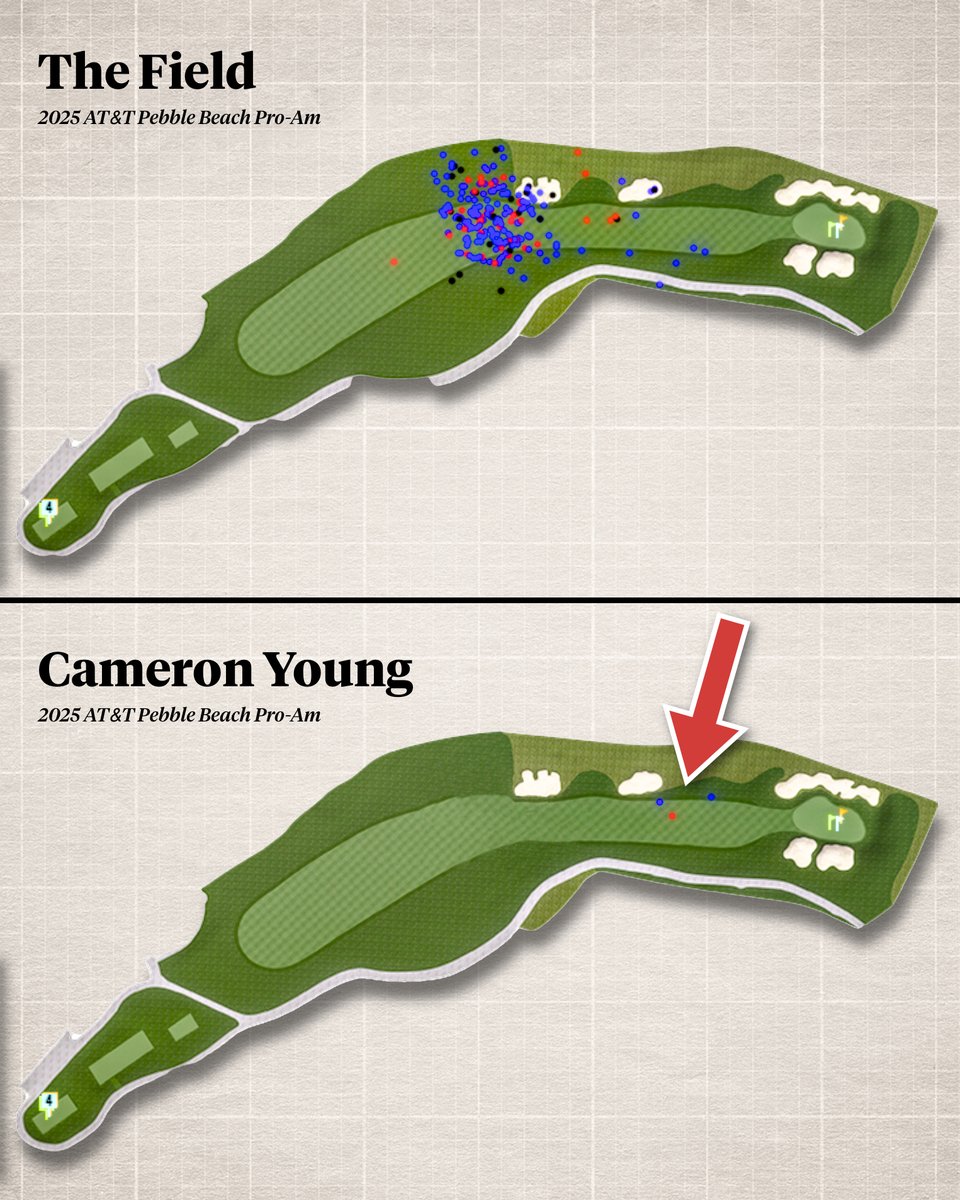
💪 Let's go Cam young!
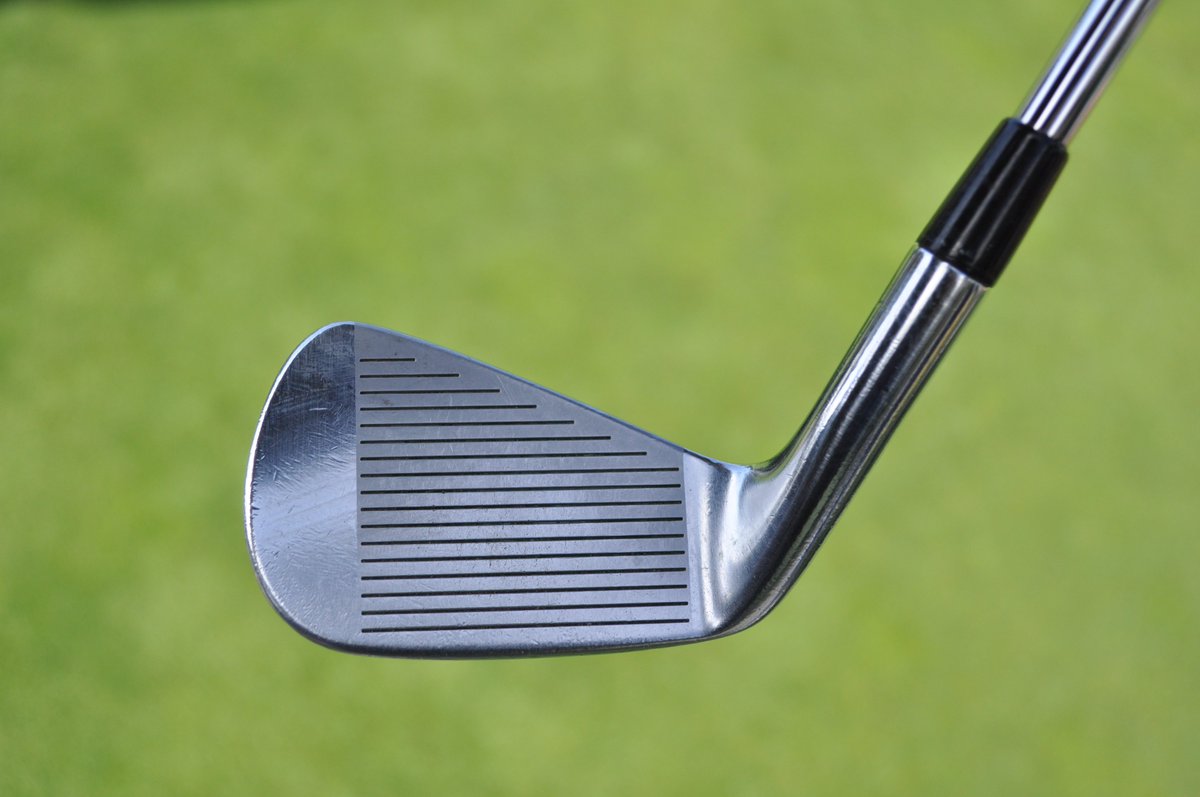
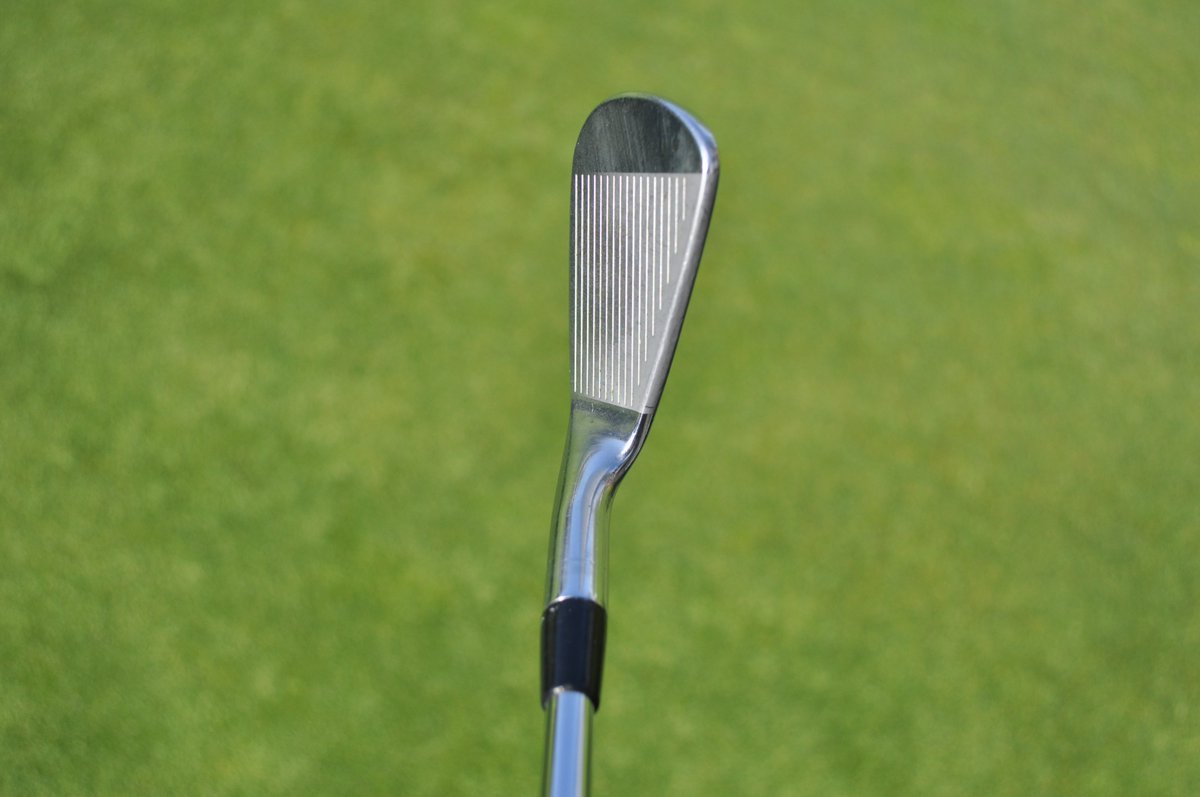
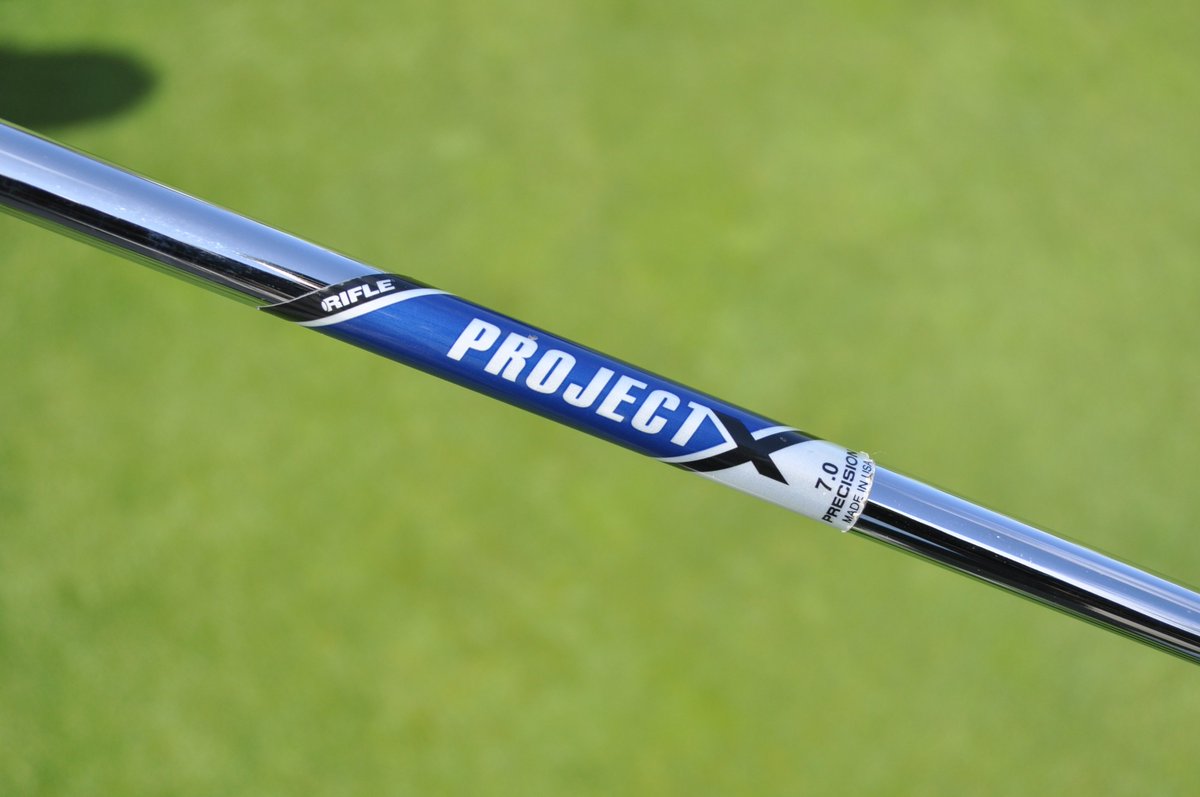
🛠️ Rory is back to the old faithfuls.
|
Justin Rose - Day in the life for an 8am tee time.
This is just crazy to think about! Quite the insight here from Justin while on the Dan On Golf show.
5:00 AM
Wake up. Cup of tea first. Keeps the English roots intact.
Then coffee.
20 minutes of soft tissue work with the trainer.
Focus on lumbar spine and surrounding ligaments.
Goal is to get heat into the system. Loosen everything up.
Breakfast. Nothing rushed. Fuel up.
Fitness trailer. About 30 minutes.
Start with light treadmill work to get the body moving.
Move into active stretching.
Then activation work.
Finish with explosive exercises. Kettlebell hip swings. Box or board jumps.
The goal is to feel athletic. Pep in the step before hitting balls.
Range session.
He doesn’t like to be there long.
About 40 minutes before tee time.
Roughly 30 minutes hitting balls.
Sometimes putting happens before fitness depending on logistics.
The goal isn’t grinding. It’s getting ready.
8:00 AM
Tee off.
After the Round
Practice only if something is clearly off. If not, minimal. Maybe short game. A few putting drills.
Then recovery.
He has the custom recovery RV with him that has all the best stuff.
Hot plunge
Cold plunge
Infrared sauna
Steam shower. Eucalyptus during allergy season.
Red light bed
Spin bike with oxygen.
Considering PEMF therapy
Cold plunge is almost always included.
Contrast therapy is his favorite. Hot to cold, back and forth.
Says that makes him feel brand new.
Post-Recovery
Leave the course typically two to three hours after finishing.
Evening
Pin positions released around 8:00 PM.
He studies them.
Puts them in his yardage book.
Works through strategy for the next day.
Mind doesn’t switch off golf until around 9:00 PM. 😳 😳
Full workday. Roughly 6:00 AM to 8:00 or 9:00 PM.
MYTH OF THE WEEK
Myth #6: Always go through your full routine when practicing.
Truth: Faster, varied practice improves learning.
Dr Luke Benoit compares it to table tennis - you won’t get good hitting one ball a minute. You learn by reacting, adjusting, and getting more reps.
- Try “rapid-fire” range sessions - switch targets every 8 seconds.
- Add variation: high, low, left, right, short, long.
- If you already flush it and just struggle transferring to the course, then add more deliberate, slow practice.
If you want to get better fast, increase reps and mix it up.
(every week we're going to share an interesting myth and truth from Dr Luke Benoit from Ryp Golf. Fascinating ideas that will make you think.)
|
We'll talk with you next week.
Epic video on indoor / off-season drops Monday or Tuesday.
-Cordie
 |
Share with friends, get cool stuff! |
Know any golfers who'd love our newsletter too? Give them your unique referral link (below) and get rewards when they subscribe!
Road to 180 Guide (1 referral), GolfWell towel (3) or a GolfWell T-Shirt (5). |
[RH_REFLINK GOES HERE] |
|
|
| See how many referrals you have |
|
|
✍️ Written by Cordie Walker
🎟 Want to advertise in our weekly emails? → Book here